When mineral particles clump together?
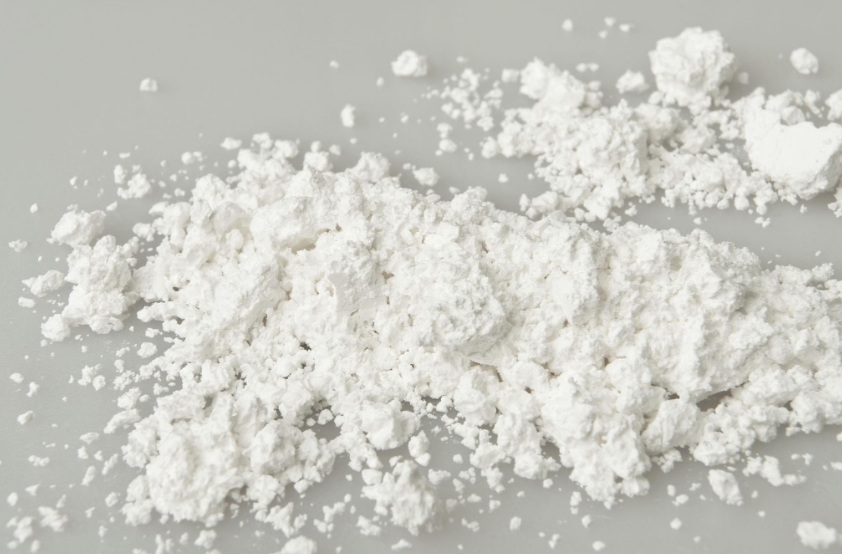
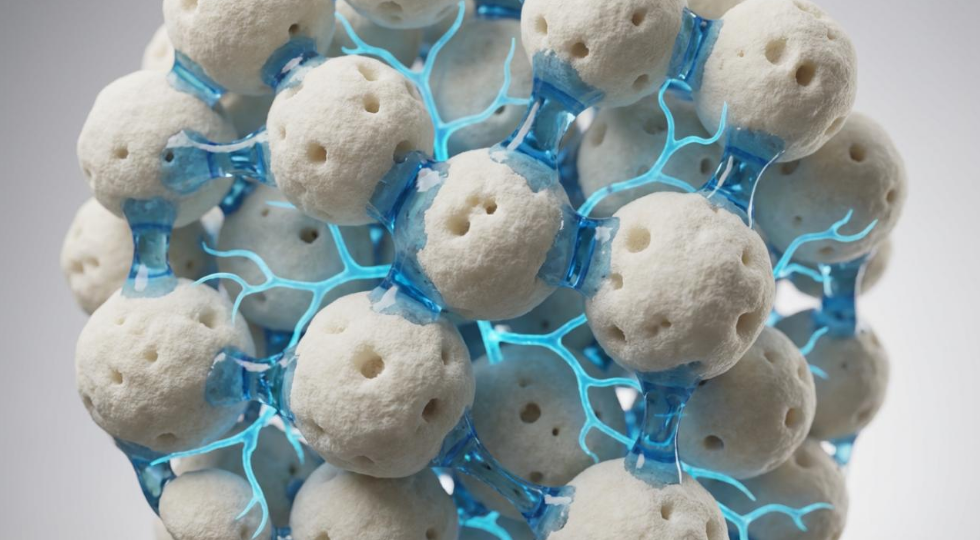
Agglomeration occurs when fine particles come together and form larger clusters rather than remaining individually distributed throughout a material system. These clusters can develop during powder handling, storage, processing, or incorporation into a formulation.
Instead of behaving as individual particles, the material forms interconnected groups that may resist separation, resulting in a non-uniform particle distribution within the final system.
What causes particle agglomeration?
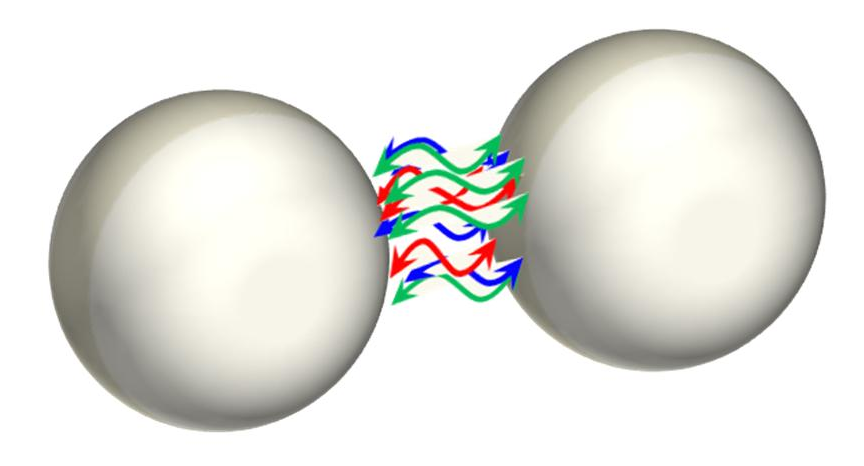
Agglomeration is primarily driven by interactions between particles and the conditions surrounding them. Fine particles can develop a tendency to come together due to surface-related forces, moisture, particle characteristics, and environmental or processing conditions. When these factors promote particle-to-particle contact and adhesion, individual particles may form larger clusters that become increasingly difficult to separate. The extent of agglomeration depends on the material’s physical and surface properties, as well as the conditions under which it is stored, handled, and processed.
01
Interparticle forces
Attractive forces such as van der Waals and electrostatic interactions can bring fine particles together. When these forces overcome particle separation, agglomerates begin to form.
02
High surface energy
Fine particles have a high specific surface area and greater surface-related energy. Their tendency to reduce overall surface energy can contribute to particle adhesion and cluster formation.
03
Particle size & surface characteristics
Particle size, shape, roughness, and surface chemistry influence how particles interact and adhere. Fine or irregular particles may have a greater tendency to form clusters.
04
Moisture & Humidity
Moisture can create liquid bridges between neighboring particles, increasing capillary forces and particle adhesion. Higher humidity can further promote agglomeration under certain conditions.
05
Storage & handling conditions
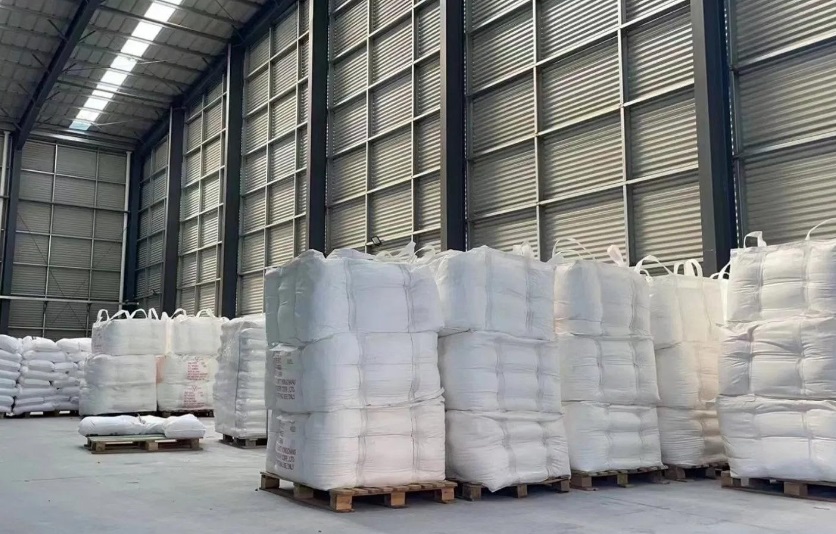
Prolonged compression, humidity fluctuations, and temperature changes can influence particle contact and adhesion. These conditions may promote the formation or persistence of agglomerates.
06
Inadequate processing conditions
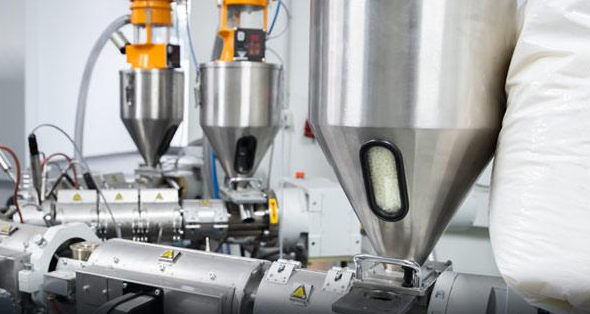
Insufficient shear, inadequate mixing intensity, or limited residence time can prevent effective separation of particle clusters. As a result, agglomerates may remain in the final material.
How agglomerates disrupt material performance?
When individual particles come together to form larger clusters, their behavior within a material system changes significantly. Instead of remaining uniformly distributed, these clusters create localized concentrations of particles that can behave differently from the surrounding material. Their presence may interfere with particle distribution, alter local material properties, disrupt flow and mixing conditions, and create inconsistencies during processing. Depending on the size, strength, and distribution of these agglomerates, their effects can extend from microscopic structural irregularities to visible product defects, reduced mechanical performance, and increased production difficulties.
01
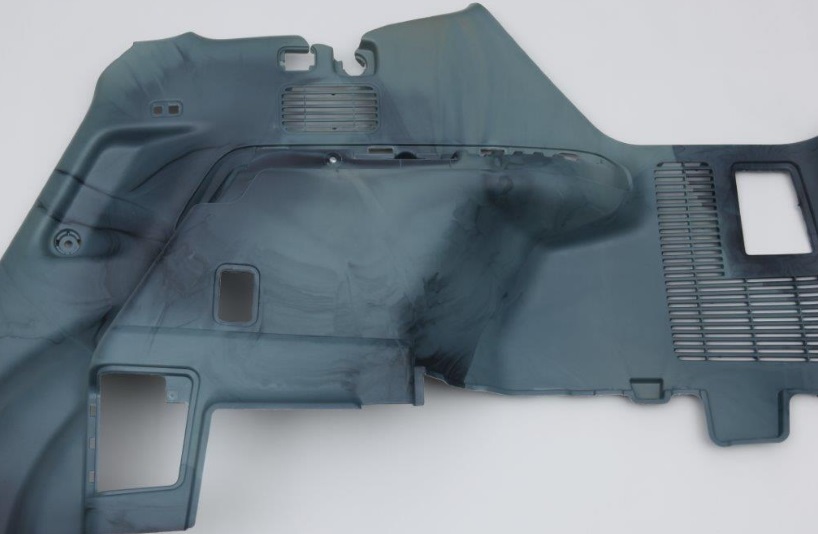
Surface defects
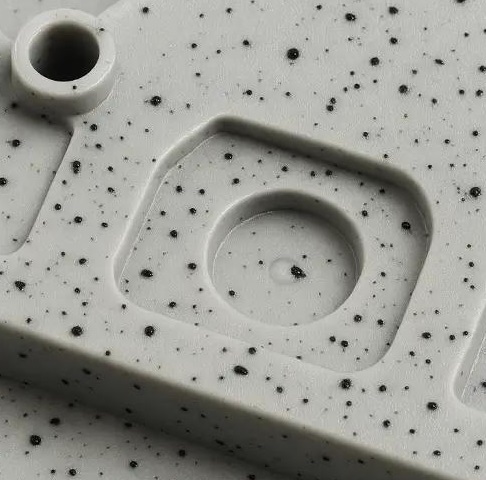
Agglomerates can appear as visible spots, bumps, or rough areas on finished surfaces, reducing product appearance and surface quality.
02
Localized material inconsistency
Unevenly distributed particle clusters create areas with different material composition, resulting in inconsistent properties within the same product.
03
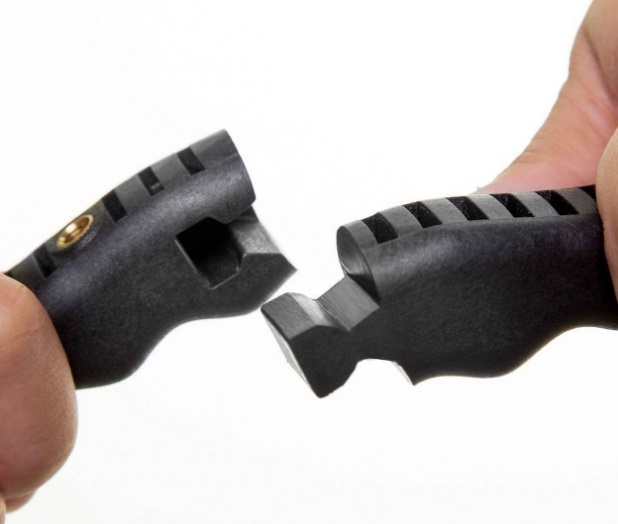
Mechanical weakness
Particle clusters can create stress concentration points and weak interfaces, increasing the risk of crack initiation and reducing mechanical reliability.
04
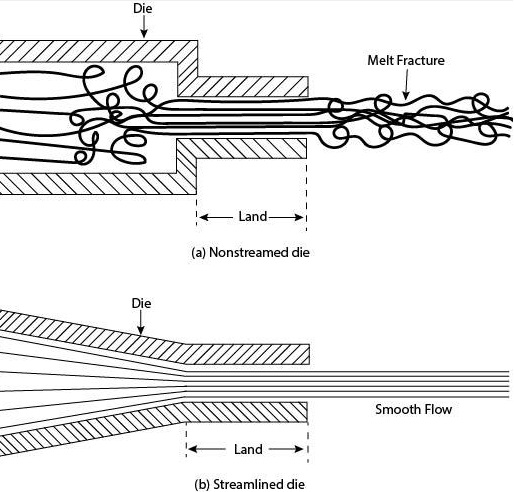
Flow & processing disturbances
Agglomerates can interfere with material flow and mixing, creating localized flow variations and making processing conditions more difficult to control.
05
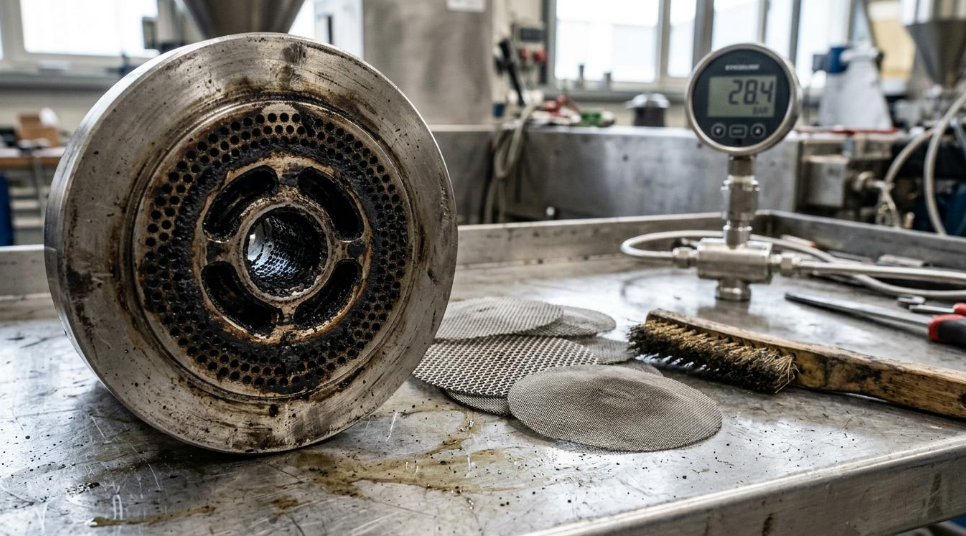
Filter blockage & pressure build-up
Large or persistent agglomerates can accumulate on filtration screens, increasing flow resistance and pressure during processing.
06
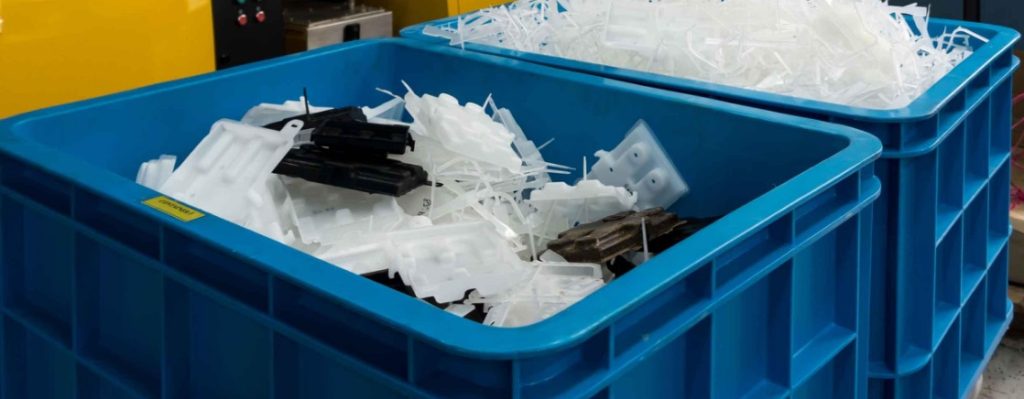
Product rejection & material waste
Agglomeration-related defects can increase rejected products, reprocessing requirements, and material waste, reducing overall production efficiency.
How can agglomeration be addressed through engineering?
Managing agglomeration requires more than simply breaking apart particle clusters. It involves understanding the material’s surface characteristics, the interactions between particles, and the conditions under which they are incorporated and processed. An effective engineering approach considers these factors together to develop solutions that improve particle separation, maintain distribution, and support consistent material performance.
01
Material Understanding
Understanding particle size, surface characteristics, moisture sensitivity, and the forces driving particle attraction is essential to identifying the underlying causes of agglomeration.
02
Interfacial Engineering
Engineering particle surfaces and their interactions can help reduce unwanted adhesion, improve compatibility, and control the tendency of particles to form clusters.
03
Process-Oriented Design
Optimizing feeding, mixing, shear conditions, and residence time helps determine whether agglomerates can be effectively separated and uniformly distributed during processing.
What better agglomeration control can achieve?
Effective agglomeration control can influence more than the separation of particle clusters. By managing particle interactions, surface characteristics, and processing conditions, it becomes possible to support a more uniform filler distribution, improve filler–matrix interaction, and achieve greater consistency throughout material processing. These effects can contribute to more predictable material behavior and provide greater control over formulation and product performance.
01
More uniform particle distribution
Reducing persistent particle clusters can support a more uniform distribution of mineral fillers throughout the polymer matrix.
02
Reduced agglomerate persistence
Managing particle attraction and processing conditions can help reduce the formation and persistence of unwanted agglomerates.
03
Improved filler–matrix interaction
More effective particle separation and wetting can increase contact between filler surfaces and the surrounding polymer matrix.
04
More consistent processing behavior
A more uniform filler distribution can help reduce localized variations in material behavior and support more consistent processing conditions.
05
Greater product consistency
Improved particle distribution can help minimize localized structural variations and support more consistent product properties and appearance.
Turning better agglomeration control into business value
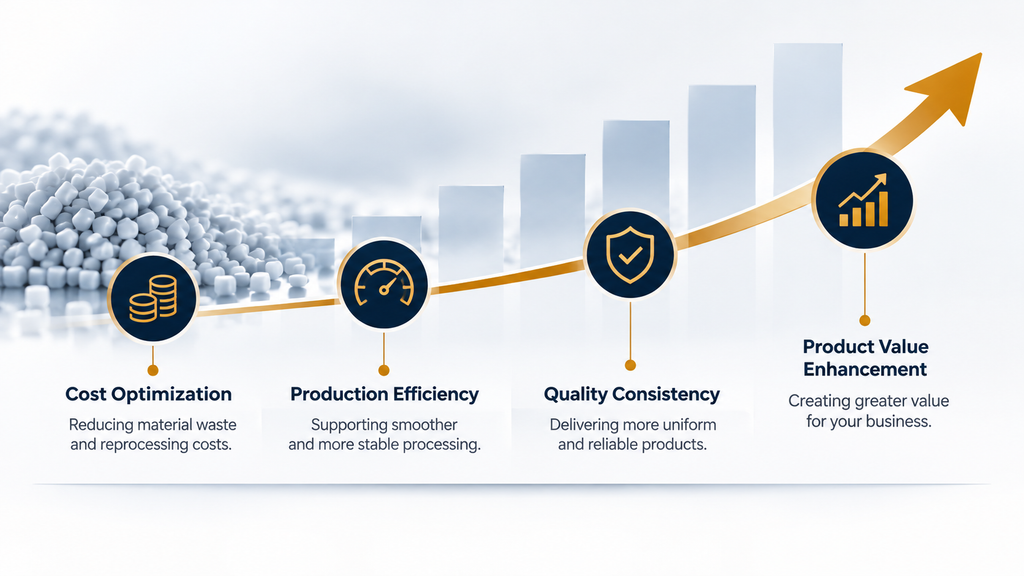
Effective agglomeration control can create value beyond material performance. By supporting more consistent processing, reducing quality-related losses, and improving control over material behavior, manufacturers can create opportunities to optimize production costs, improve operational efficiency, and deliver more consistent products to their customers.
01
Cost optimization
Reducing agglomeration-related quality issues can help minimize material waste, rejected products, and reprocessing requirements, creating opportunities for better production cost management.
02
Production efficiency
More consistent material behavior can support smoother processing, reduce production interruptions, and help manufacturers make more effective use of their production capacity.
03
Quality consistency
Better control over particle distribution can help reduce product-to-product variations and support more consistent quality across production batches.
04
Product value enhancement
More predictable material performance can create opportunities to improve product quality, meet customer requirements more consistently, and strengthen the value delivered to the market.
Engineered solutions for better particle distribution
Addressing agglomeration requires solutions that consider particle characteristics, surface interactions, and processing requirements. BOOTRAP develops functional mineral solutions with an engineering approach, helping manufacturers explore ways to improve filler distribution and achieve more consistent material performance.
Introducing the FLOW Series — a family of engineered solutions built around two widely used industrial minerals: Calcium Carbonate and Barite, designed to address material interaction and application-specific processing requirements.